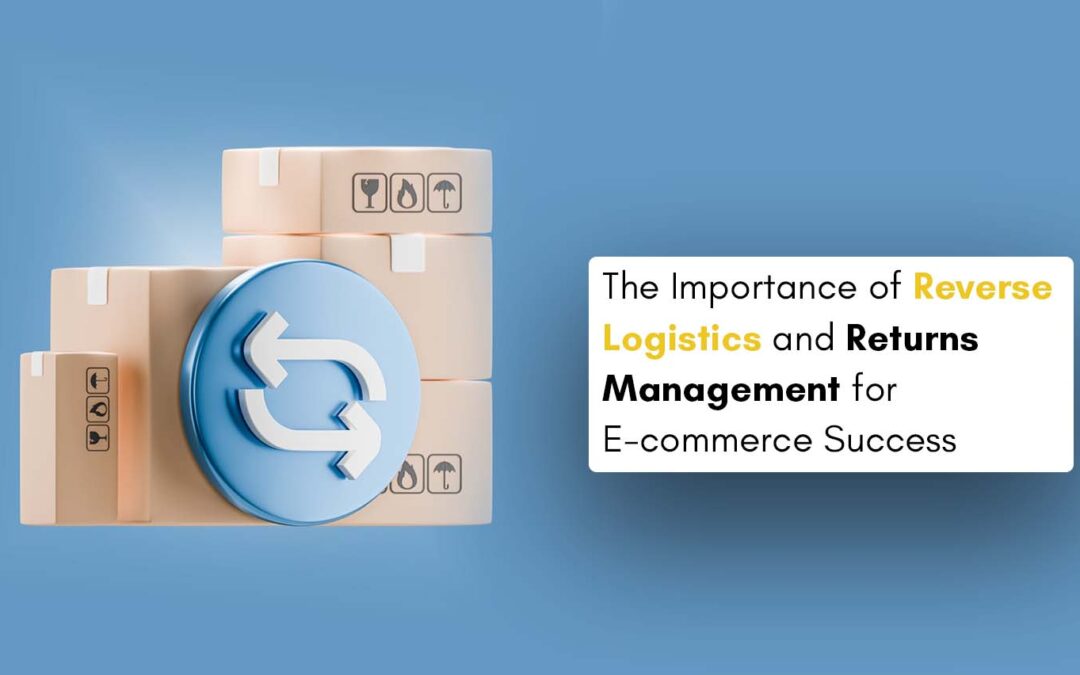
The current e-commerce landscape is a highly competitive one, and both the customer experience and an e-commerce transaction do not end at the point of checkout and payment – it continues through delivery, usage of the product, and even the returns process. As online shopping is reaching an all-time high, along with the expectations of online consumers, and successful reverse logistics and returns management processes are now an essential piece of the e-commerce puzzle.
From ensuring efficient product distribution to incorporating value added services, brands that can successfully manage reverse logistics will experience a distinct competitive advantage. Let’s look into how reverse logistics and returns management will contribute to efficiencies, customer satisfaction, and ultimately, profitability in the e-commerce area.
What Is Reverse Logistics?
Reverse logistics is the process of moving goods from the customer back to the seller or manufacturer, either to return the product, repair the product, replace the product, recycle the product, or to dispose of the product.
Reverse logistics is the opposite flow of traditional logistics, which is concerned with getting the product from the warehouse, through the supply chain, and into the hands of the customer. Reverse logistics will cover:
- Customer returns and refunds
- Product repairs or refurbishments
- Warranty claims
- Recycling and waste management
- Repackaging and redeployment of returned products
The efficient and effective use of reverse logistics can provide the business with recovery of value from the returned products, less potential loss of value, and allow the company to apply the principles of sustainability to its operations.
The Importance of Returns Management in E-commerce
Returns are a fact of life with e-commerce. Studies show that up to 20-30% of online purchases are returned, compared to only 8-10% from a physical retail store. Poorly managed returns could hurt brand reputations, while managed returns can foster trust and loyalty with customers.
Here is why strong returns management is imperative:
Develop Customer Confidence
A clear and hassle-free returns policy gives the customer confidence when purchasing. Having a clear return policy increases the chances of a consumer purchasing.
Increase Customer Loyalty
A well-executed process handling returns will mitigate the potential negative interaction to a positive experience. Brands that handle returns well will receive more repeat purchases.
Reduces Operational Costs
Returns management allows retailers to inspect, refurbish and restock returned goods in ways that limit storage and shipping costs.
Contributes to Sustainability Goals
Returns management contributes to reverse logistics, against sustainability goals, recycling used materials successfully, and being perceived as an environmentally friendly brand.
How Distribution Functions within Reverse Logistics
An efficient distribution network is the backbone of successful reverse logistics systems. An effective last mile distribution strategy helps to avoid delays related to reverse logistics protocol or unnecessary volume. An effective distribution strategy will ensure that both the product will move from the warehouse to the customer to the warehouse.
Primary factors consist of:
- Centralized Warehousing: Provides effective management of returns, inspections and restocking.
- Real-Time Tracing: Allows customers and companies to track return shipments with transparency.
- Route Optimization: Decreases costs and transit times in a forward and reverse flow.
- Carrier Integration: Advances the return procession via dedicated courier partnerships ensuring shorter pick-up and return delivery times.
Building an established distribution structure enables improved outbound logistics and simplified inbound (reverse) logistics operations.
Value Added Services in Reverse Logistics
In order to maintain a competitive edge in the e-commerce market, companies are introducing value added services (VAS) that complement their logistics and returns management operations. Value-added services increase efficiency, enhance customer service and possibly recover value from returned goods.
Some value added services consist of:
Refurbishment & Repackaging of Products
Returned products in acceptable condition can be cleaned, tested, and once again packaged for resale. Thus minimising waste and increasing profit margins
Quality Control & Sorting
Each return can be inspected and sorted based on its condition. Is the product in a condition for selling, repair or recycling.
Data Analytics & Reporting
Recurrent return patterns offer brands insight into problem products. Reducing return times and improving overall product manufacturing quality.
Customized Return Label & Pickup service
Simplifies the customer experience, leading to an increase of completed returns.
Sustainable Disposal & Recycling
Returned and damaged items are recycled in a responsible manner, which aligns with the increasing desire of customers to do business with sustainable companies.
By incorporating these types of value-added services, e-commerce brands do more than just recover costs. They also demonstrate to the customer their commitment to sustainability and overall satisfaction.
How Reverse Logistics Benefits E-commerce Brands and Drives Their Success
In the digital environment where customer experience is synonymous with e-commerce brand success, reverse logistics can directly impact customer perception, which determines brand loyalty, and profitability. Here is how reverse logistics benefits e-commerce brands:
- Enhanced Customer Experience: A simple return improves customer satisfaction and encourages repeat customers.
- Better Operational Efficiency: Streamlined workflows and processes with returns can lower handling time, errors, and shipping costs.
- Improved Inventory Management: Refurbishing returned products or reselling them in new or used condition manages inventory best.
- Sustainability & Brand Image: Responsible disposal and recycling appeals to sustainability minded consumers.
- Revenue Recovery: Refurbishing or reselling refurbished products recaptures lost value associated with the return.
When logistics and returns are viewed strategically, they are a value driver for the business, not simply a cost driver.
Best Practices for Effective Returns Logistics
In order for e-commerce brands to build a robust reverse logistics system, they should focus on the following:
- Return Policy: The easier it is to understand the return policy, the more trust it builds with the customer that they are doing business with a reliable company.
- Does the e-commerce company have a Twitter-like return process?: Automating the return process tracks returns, issues refunds, and resets the inventory rather than manually entering details for each return.
- Partner with the right 3PL or warehousing provider: A 3PL with reverse logistics or returns expertise will ease the entire return process.
- Customer Communication: Notify customers at every stage of their return experience.
- Sustainability Initiatives: Whenever possible, encourage repair, reuse, and recycle.
Conclusion
In today’s world of e-commerce, reverse logistics and returns management are not optional features but a necessity. They impact brand reputation, customer satisfaction, and even profit margins.
By optimizing distribution, providing value-added services, and taking a sustainable approach, e-commerce companies can be proactive in turning returns into an opportunity for building deeper customer loyalty and driving future value.