
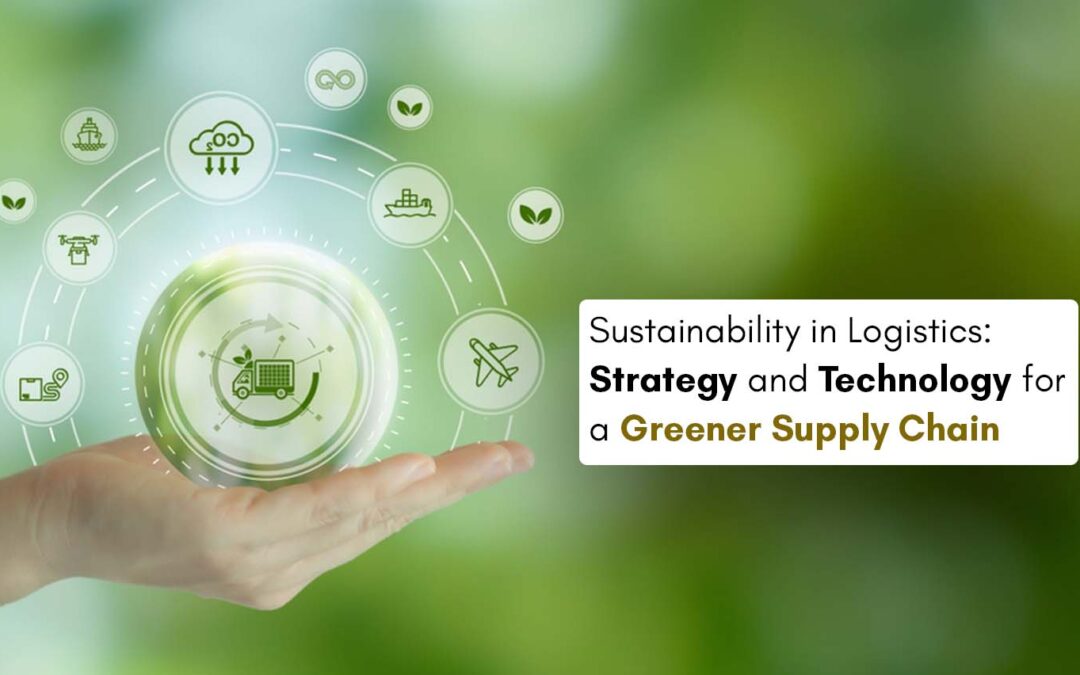
In today’s world, businesses are under increasing pressure to operate responsibly, reduce their carbon footprint, and build supply chains that are not only efficient but also environmentally sustainable. Logistics, traditionally known for its heavy fuel consumption, high emissions, and resource-intensive processes, has become a critical area for transformation. As global trade grows and consumer expectations evolve, companies are recognizing that sustainability in logistics is no longer an optional initiative. It is a strategic necessity that influences cost, reputation, compliance, and long-term success.
Sustainable logistics aims to optimize the movement of goods while minimizing environmental impact. This includes reducing emissions, cutting energy usage, adopting cleaner technologies, and improving operational efficiency throughout the supply chain. Today, a combination of innovative strategies and advanced technologies is helping companies design greener, smarter, and more resilient logistics networks.
The Need for Sustainable Logistics
The logistics sector contributes significantly to greenhouse gas emissions, largely through transportation, warehousing, and packaging waste. With the rise of e-commerce and global distribution networks, these emissions are expected to grow even further. Governments worldwide are introducing stricter environmental regulations, while customers are becoming more conscious about eco-friendly brands. As a result, businesses must rethink their logistics practices not only to comply with policies but also to meet consumer expectations.
Sustainability also brings operational advantages. Energy-efficient operations reduce fuel and electricity consumption, while waste reduction lowers overall costs. Companies that invest in sustainability often find themselves more competitive, agile, and better prepared for future challenges.
Building Sustainable Logistics Through Smarter Strategies
Sustainable logistics begins with strong planning and strategic thinking. Companies must evaluate every part of the supply chain, from sourcing and transportation to warehousing and last-mile delivery, to identify opportunities for improvement.
One of the most effective strategies is optimizing transportation routes. By using data analytics and real-time tracking, businesses can reduce unnecessary travel, avoid congestion, and improve load consolidation. This not only cuts emissions but also reduces fuel expenses and delivery times. Many organizations are also focusing on shift patterns such as night-time deliveries to avoid peak traffic and reduce idle time.
Another important approach is integrating sustainability into procurement. Choosing eco-friendly materials, working with responsible suppliers, and sourcing locally when possible can reduce environmental impact significantly. In addition, businesses are increasingly adopting circular supply chain models, where products, packaging, and materials are repaired, reused, or recycled instead of being discarded.
Warehousing operations are also undergoing transformation. Energy-efficient lighting systems, solar-powered facilities, and automated storage solutions not only reduce environmental impact but also improve productivity. Companies that invest in modern infrastructure find that sustainability and operational efficiency often go hand in hand.
The Growing Role of Technology in Sustainable Supply Chains
Technology has become the backbone of green logistics. Artificial intelligence, automation, real-time data, and smart monitoring systems provide deep insights that help organizations make better, eco-friendly decisions.
Electric and hybrid vehicles are becoming increasingly common in fleet management, especially for last-mile delivery. Many logistics companies are also experimenting with alternative fuels such as biofuels, hydrogen, and compressed natural gas (CNG). These cleaner options drastically reduce carbon emissions and align businesses with global sustainability targets.
Digital tools such as Transportation Management Systems (TMS) are improving route planning, load optimization, and fleet performance. With predictive analytics, companies can anticipate delays, optimize warehouse inventory, and improve the reliability of their supply chain. Smart sensors, IoT-enabled devices, and telematics help monitor fuel usage, driver behavior, and environmental conditions, making it easier to measure and reduce carbon footprints.
Warehouse automation is another game changer. Technologies like robotics, automated guided vehicles (AGVs), and high-density storage systems reduce energy use while improving throughput. Smart climate-control systems adjust temperature and lighting based on occupancy and workload, ensuring that resources are not wasted.
Blockchain technology has also entered the scene, offering better transparency and traceability. It allows businesses to verify sustainable sourcing, track product journeys, and ensure compliance with environmental standards. For companies that face pressure to prove their sustainability claims, blockchain provides a reliable, tamper-proof record.
Last-Mile Delivery: The Greenest Challenge of All
Last-mile delivery is one of the most resource-intensive parts of logistics. With the explosion of e-commerce, doorstep delivery demand is at an all-time high. Unfortunately, this often leads to repeated trips, increased emissions, and traffic congestion.
To tackle this, companies are adopting eco-friendly last-mile strategies. Electric delivery vans, e-bikes, and drone deliveries are slowly becoming part of the urban landscape. Micro-fulfillment centers, small warehouses located closer to customers, help reduce delivery distances. Businesses are also encouraging scheduled deliveries or pickup points to consolidate trips, making the process far more sustainable.
Packaging, too, is getting greener. Biodegradable materials, recycled plastics, and minimalistic packaging designs help reduce waste. Smart packaging equipped with sensors is helping companies monitor environmental conditions and reduce spoilage, especially in cold-chain logistics.
A Greener Tomorrow Built Through Smarter Logistics
The future of logistics is undeniably green. Businesses that embrace sustainable strategies and technologies today will lead the next generation of responsible global commerce. By optimizing transportation, adopting cleaner technologies, minimizing waste, and rethinking how goods move across the world, companies can build supply chains that are efficient, resilient, and environmentally friendly.
Sustainability in logistics is not a temporary trend, it is a long-term transformation shaping the global economy. With the right vision and innovation, the industry can move towards a future where efficiency and environmental responsibility go hand in hand.